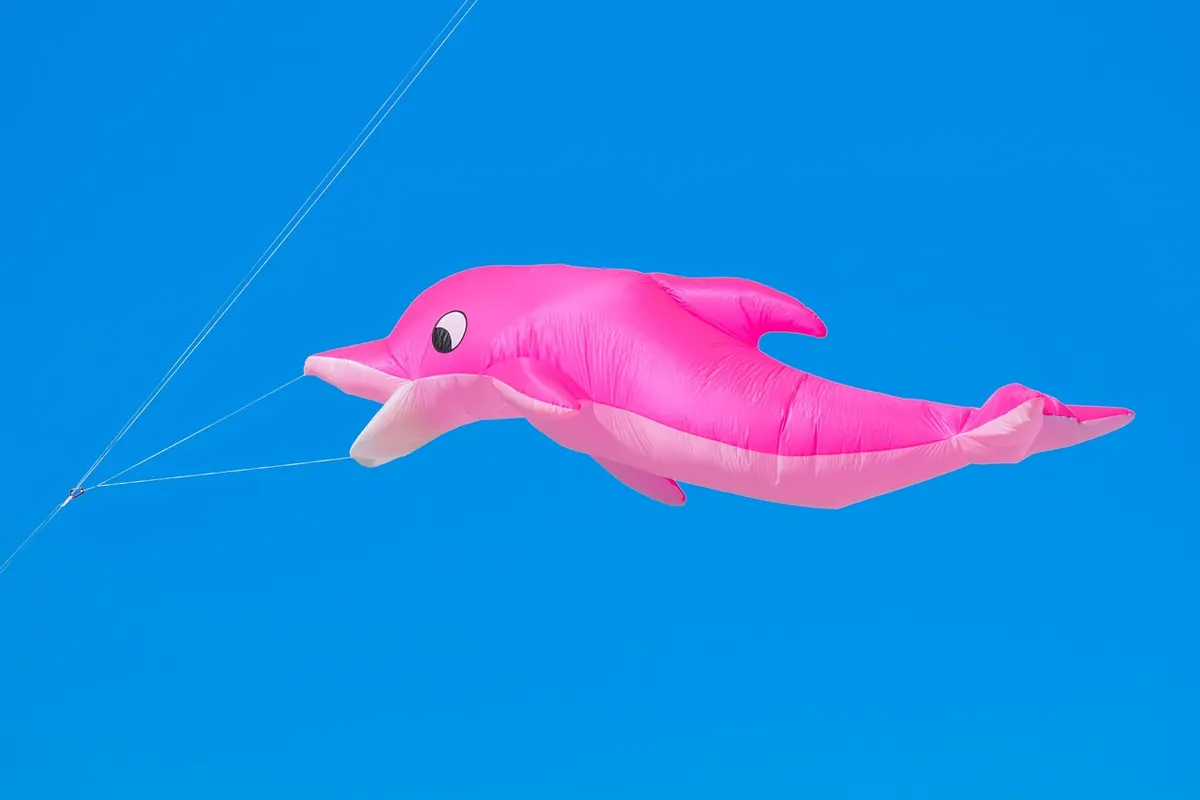
The best kite sessions are almost boringly uneventful. You arrive, read the wind, set up, and twenty minutes later the kite is a small bright shape hanging near the clouds while you stand with your hands in your pockets. Nothing dramatic happens, which is exactly the point.
The sessions that go wrong tend to go wrong in the same few ways. A gust arrives while you are still tying on the line. A knot that slipped unnoticed last time lets go at the worst moment. A dog decides the trailing edge looks like a toy. Nearly all of it is avoidable with a short routine run before anything leaves the ground.
Start with the wind, not the kite
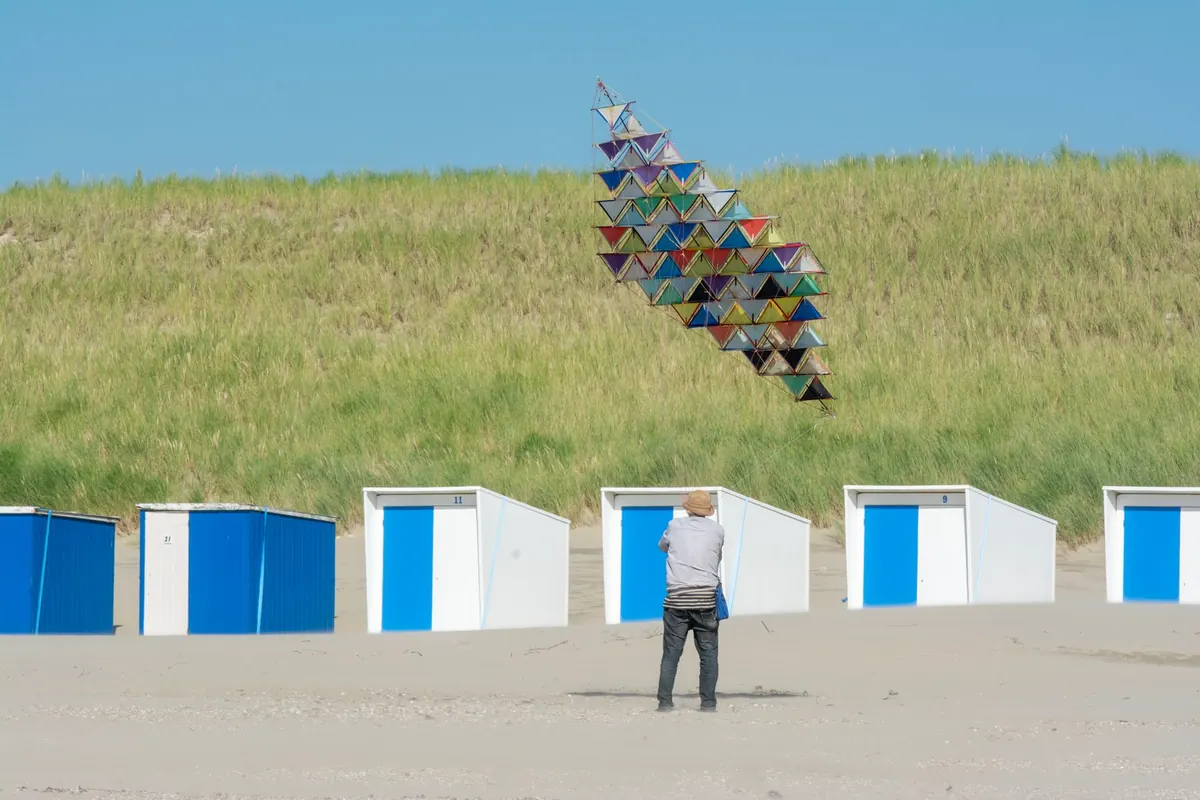
Wind decides the day, so check it before you open the bag. Stand still, feel it on your face, and look at the nearest tall thing: trees, a flag, smoke, ripples on a pond. Leaves rustling and moving constantly while twigs stay still is roughly a light breeze, usually the sweet spot for a beginner's single-line kite. If nothing above ground level is moving, you are in the range where a kite may fly once it is up but will be miserable to launch.
Height matters too. Wind thirty metres up is usually stronger and steadier than the air around your ankles, which is why a kite that flies beautifully once airborne can refuse to rise off the grass. If the breeze is marginal, move to open ground, get a helper to hold the kite and walk it up, or accept that today is a no.
Gusts are the other half of the picture. A steady eight miles per hour is far easier than four with fifteen-mile puffs. Most kites list a wind range on the packaging. Treat the top of that range as a limit for a confident adult on a good day, not a target for a first outing.
The twelve-point pre-flight check
- Forecast. Read it for your exact spot rather than the nearest city, and check gusts as well as average speed.
- Ground wind. Feel it, watch the trees, and confirm it sits inside your kite's stated range.
- Weather warnings. Thunderstorms, lightning or a dark front moving in mean pack up, not hurry up.
- Launch and landing space. You need clear ground downwind and to both sides: room to make mistakes, not just room to fly.
- People and animals. Walkers, cyclists, children, dogs. Keep them out of the line and never fly directly over anyone.
- Permissions. Parks, beaches and open land all have their own rules. Ask if you are unsure, and take extra care anywhere near an airfield.
- Lines. Run the full length through your fingers and look for fraying, grit, flat spots and kinks.
- Knots. Check the lark's head at the bridle and every leader line. Re-tie anything that looks loose rather than hoping.
- Spars and connectors. Splits, hairline cracks, missing end caps, stretched bungees, ferrules that have started to slip.
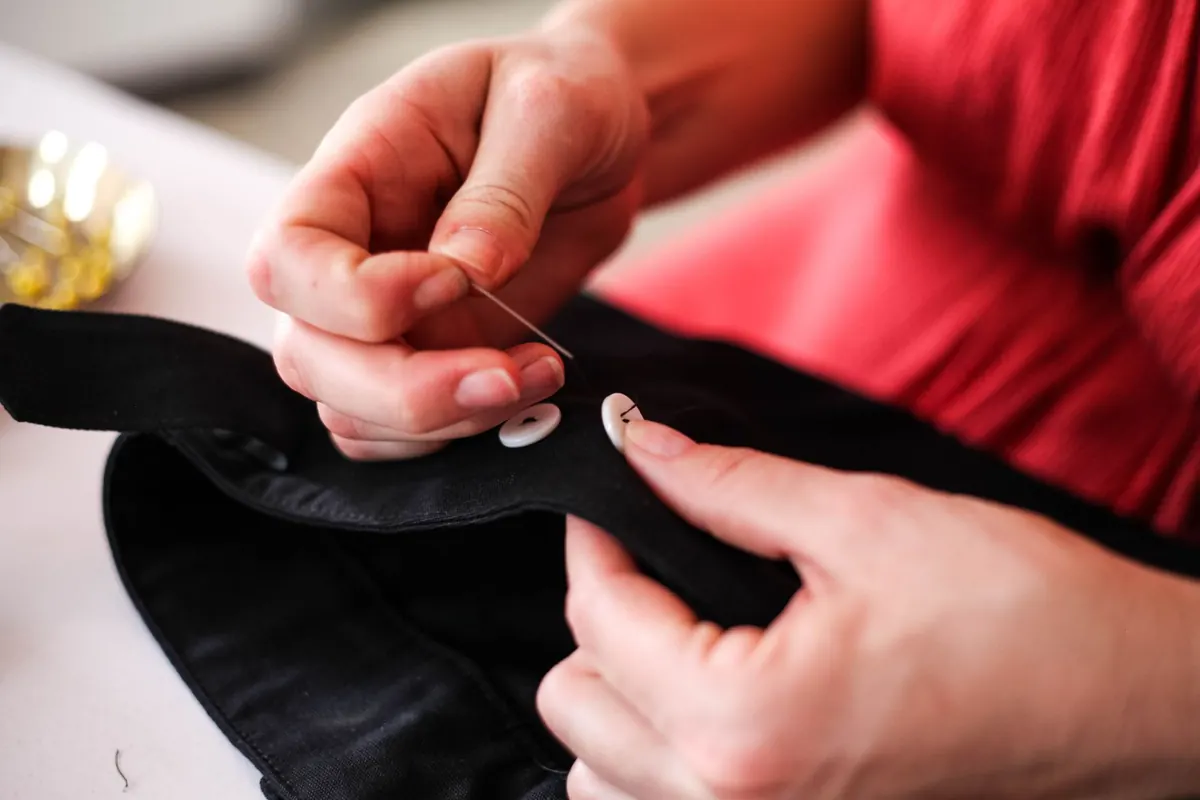
- Sail and stitching. Torn panels, pulled seams and a stretched trailing edge all change how a kite handles.
- Handles, winder and anchor. Line wound cleanly and attached properly. Stake or anchor packed if you are flying solo with a big single-liner.
- Yourself. Gloves for anything with real pull, layers, water, sunglasses, a charged phone and a plan for getting the kite back down.
Where kites usually fail: lines and knots
Lines
A line rarely snaps in the middle. It fails where it has already been weakened, at a knot or at a point where it rubbed over a fence post last summer. Unwind the whole length, feel for rough patches, and watch for the flat, shiny spots that suggest the line has taken a beating. On a two-line kite, lay both lines side by side and compare lengths. A few centimetres of difference is enough to make a kite spin or refuse to sit overhead.
Knots
A lark's head should sit neatly with both loops even. If the bridle bunches to one side, the kite will pull that way. When you tie anything, use a proper knot, wet it before pulling it tight so friction does less damage, and trim the tail so it cannot tangle. If a knot has been loaded hard and looks polished, cut it out and re-tie it. That is cheaper than a lost kite.
Space, people and permission
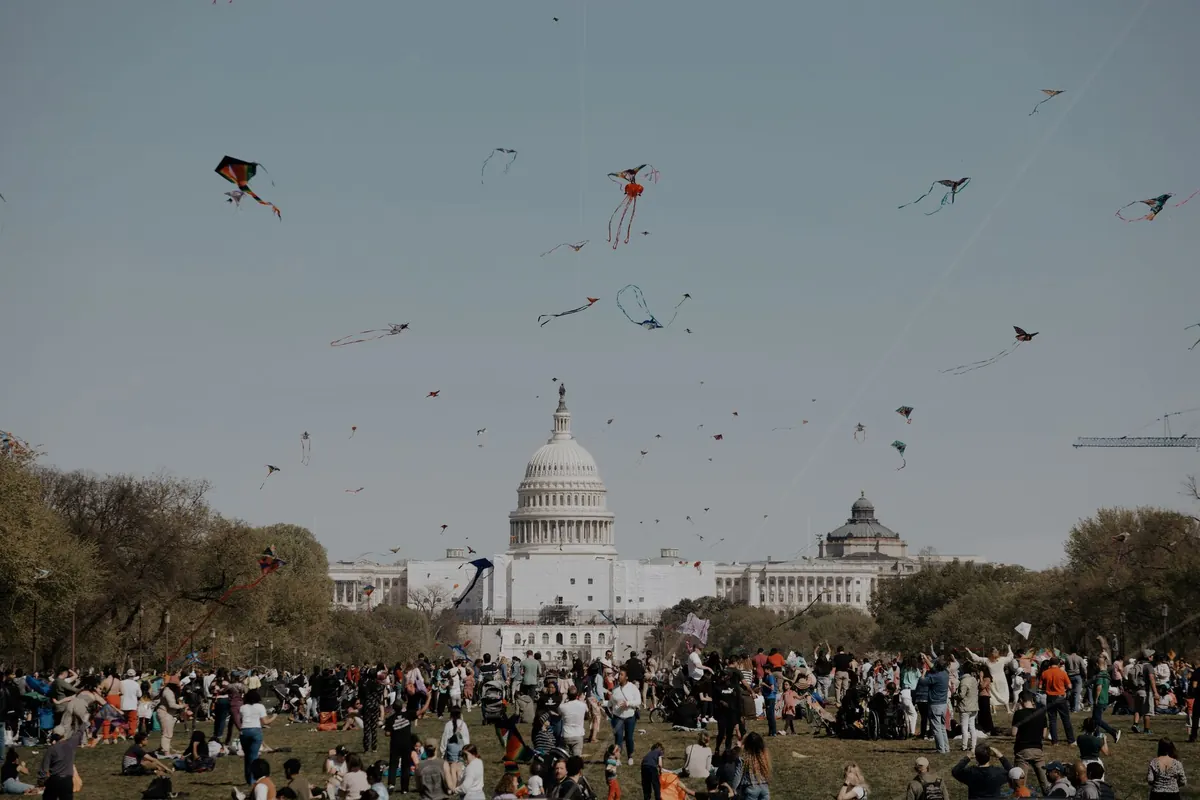
Before the kite goes up, look around as though you were about to throw something large and unpredictable, because you are. The area downwind matters more than the spot you are standing in: that is where the kite goes when the wind drops or the line goes slack, and where it will land at the end of the session.
Give other people a wide berth. A line under tension is hard to see and can cut. Dogs and children move unpredictably and are drawn to kites, so fly well away from them and stop rather than trying to steer around someone who has wandered into your space.
Local rules vary. Many parks and beaches allow kites but restrict them near crowds, during summer events or within certain zones, and coastal sites sometimes have conservation restrictions. Near airfields there are legal limits on height and distance, so check current CAA guidance before you travel. If a warden, ranger or landowner asks you to move on, move on.
Weather warnings that should stop you
Some conditions are not about skill. Lightning is the clearest: carbon spars and long lines in an open field are the wrong combination, and storms can arrive faster than a forecast suggests. If you can hear thunder, you should already be packing.
An offshore wind at the coast is the next one to respect. If the breeze is heading out to sea, anything that gets away from you is gone, and a large single-liner can drag a line and a stake with it. Keep it small, keep it close, or fly another day.
Add heavy rain, fog or poor visibility, and any day when the wind is at or beyond the top of your kite's range. A kite is replaceable. Your fingers, and the person standing downwind, are not.
Make it a habit
Run the checks in the same order every time and they will take two minutes and no thought. Conditions first, then space, then the kite itself, then line and knots, then you. Do them while the kite is still folded, because a problem found on the ground is a nuisance and the same problem found mid-launch is a damaged kite or a lost afternoon.
If two or three items fail, put it away. There is nothing noble about forcing a flight in poor conditions. The wind will come back, the field is not going anywhere, and the sessions you remember are the quiet ones where nothing happened at all.
Photo: Pexels / Pixabay